
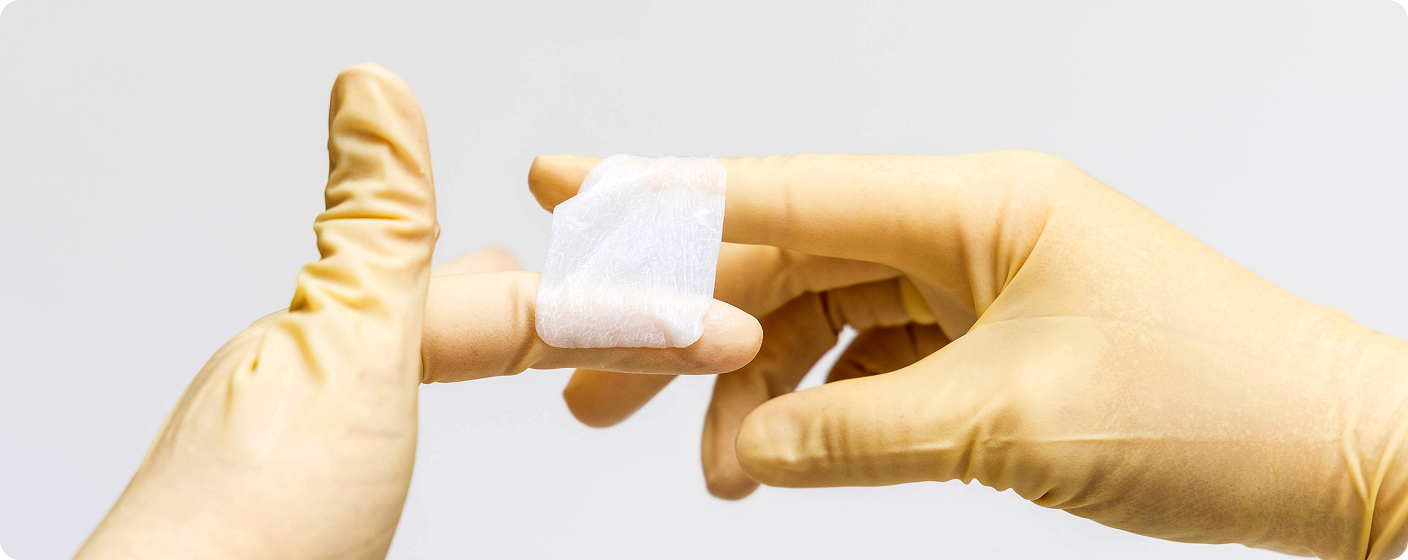
Remplir™ is engineered with Orthocell’s proprietary SMRT™ technology to help patients reclaim touch, movement, and their lives.1,2
Peripheral nerve repair: A smarter way to support nerve healing
The best predictor of success in peripheral nerve surgery is a tension-free, well-aligned coaptation using minimal epineurial microsutures to optimise axonal regeneration.3
Yet depending on the type and location of the repair, achieving this can be challenging and outcome predictability has changed little over the past decades.3-5
Biomaterial choice may play a larger role than previously thought.
Many materials fail to fully integrate with native tissue, leaving residues that impede healing. Rigid materials can also be difficult to handle and complicate management of size mismatches.6,7
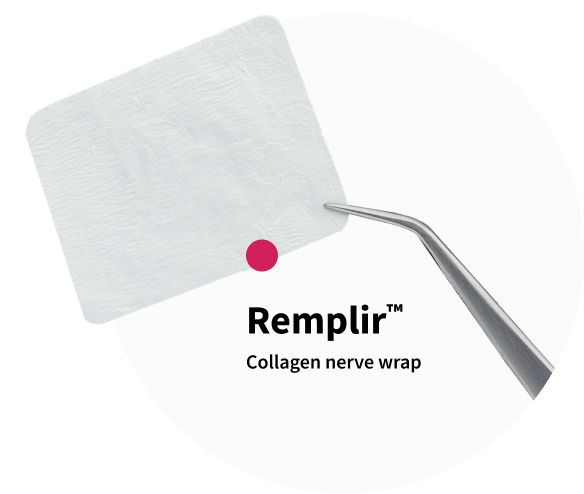
Remplir is engineered with Orthocell’s proprietary SMRT™ technology to:
Mimic the natural epineurium with an absolute collagen wrap1
Create an optimal healing environment for nerve regeneration1,2
Be easy to handle and suture-sparing, simplifying the surgical process1,2
Protect the repair site from scarring, adhesions, and inflammation.1
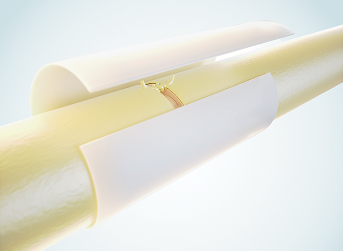
Connect
Enables tensionless repair of transected nerve injuries, supporting direct repairs with or without grafts, as well as nerve transfers and free functioning muscle transfers.1,2
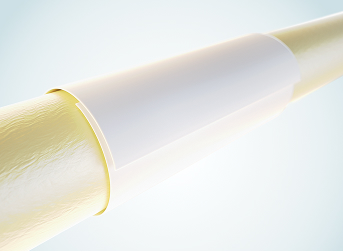
Protect
Helps manage non-transected nerve injuries by reducing the risk of adhesion formation and supporting smooth nerve gliding in conditions such as carpal and cubital tunnel syndrome.1
Cap
Prevents neuroma regrowth after resection of a terminal neuroma, or formation of new neuromas post amputation.1
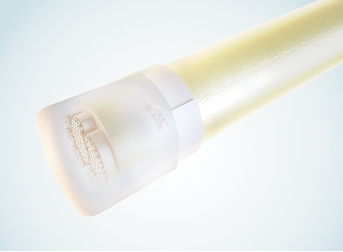
Connect, Protect, Cap
Remplir can be used to facilitate tensionless repair during nerve coaptation. Coaptation of nerve stumps can be achieved with one or two stay sutures, before wrapping the coaptation site with a protective layer of Remplir. If desired, Remplir can be secured to the nerve with additional microsutures, providing additional stabilisation and support for the coaptation site. Placing sutures away from the coaptation site reduces the risk of scar formation that can impede migration of regenerating axons from the proximal to distal stump.
Unlike many nerve devices, Remplir’s flexibility facilitates the formation of a close seal around nerve stumps that are significantly different in size. Surgeons do not have to worry about potentially compromising clinical outcomes by selecting a product that is too small (risk of nerve compression) or too big (risk of axonal escape leading to neuroma formation).
Remplir has also been successfully used to protect coaptation sites for nerve transfer (end to end and end to side), free-functioning muscle transfer, and procedures requiring the use of nerve grafts.
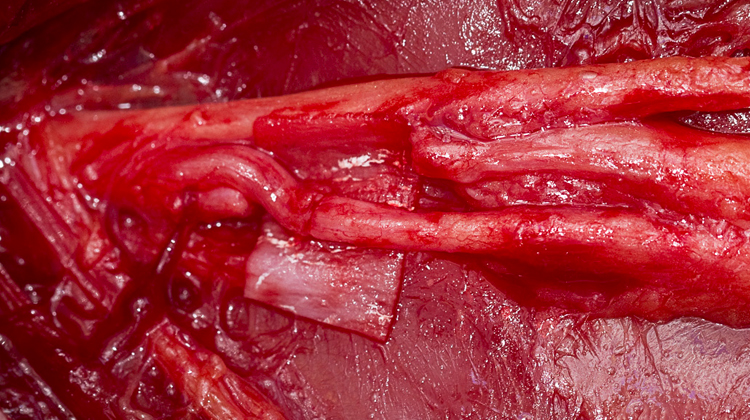
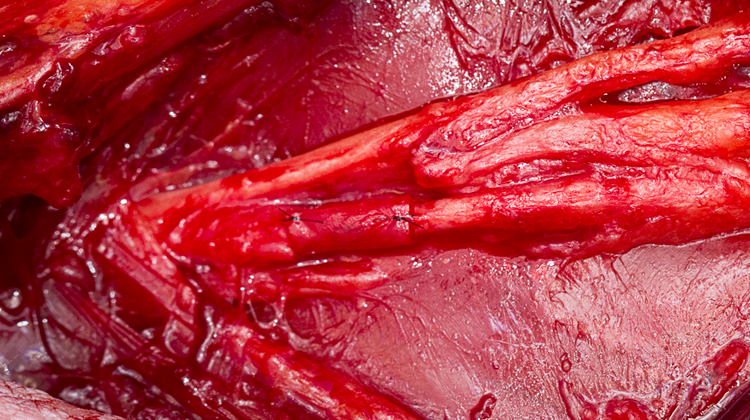
Decompression and Neurolysis
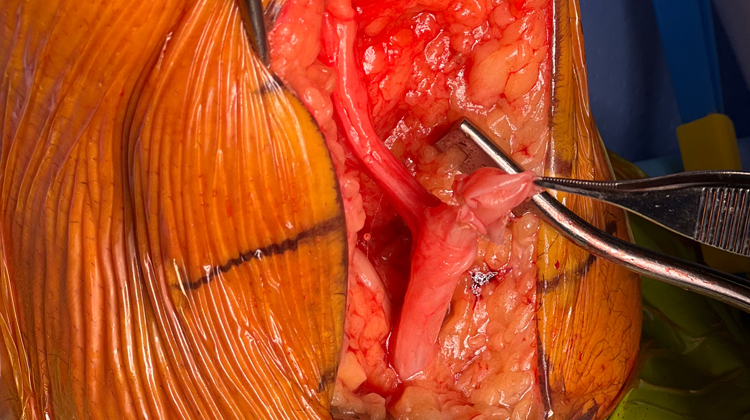
Nerve wrapping with Remplir after surgical treatment for compression neuropathy can potentially improve patient outcomes. The smooth outer surface of Remplir consists of collagen bundles that are tightly packed, acting as a barrier between the epineurium and surrounding soft tissue. This feature of Remplir promotes nerve gliding and reduces the risk of adhesion formation after primary or revision surgery for compression neuropathy. As Remplir consists of collagen fibres that are similar in size and arrangement to normal human epineurium, it is an ideal scaffold for regeneration of healthy nerve tissue.
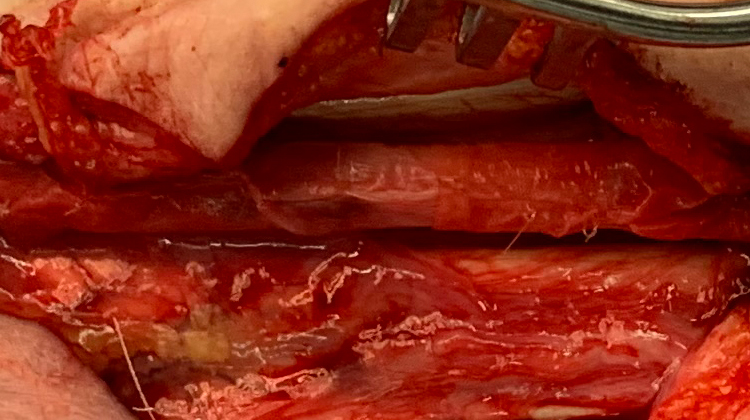
Cap with Remplir
Remplir has also been successfully used as a nerve cap to prevent recurrence after surgical resection of terminal neuroma, or to prevent neuroma formation after neurectomy performed during amputation. As Remplir is a thin and flexible flat sheet, it can be easily wrapped and folded around the transected nerve end, then secured in place with sutures. There is no need to waste time in theatre measuring the diameter the nerve then selecting an appropriately sized capping device, or potentially having to compromise on treatment if the right size device isn’t in stock. The capped nerve end can then be implanted into muscle or fixed in place as desired. The close seal formed by Remplir around the nerve prevents regenerating axons from escaping, reducing the risk of neuroma formation.
Indications for Use
Indications for Use: Remplir™ is indicated for the management of peripheral nerve injuries in which there has been no substantial loss of nerve tissue.
Contraindications
The use of Remplir™ in patients with known sensitivity to porcine-derived materials or collagen is contraindicated.
How It Works
Tensionless repair is highly desirable in nerve reconstruction for several reasons, but primarily because it reduces the risk of additional damage to the nerve. Nerve repair with Remplir™ enables a reduction in suture requirements thus reducing the time needed to complete the surgery. The handling characteristics of Remplir™ assist surgeons perform complex reconstructive surgical procedures with tensionless repair.
Remplir™ is the ideal biomaterial for nerve repair
Exceptional handling characteristics
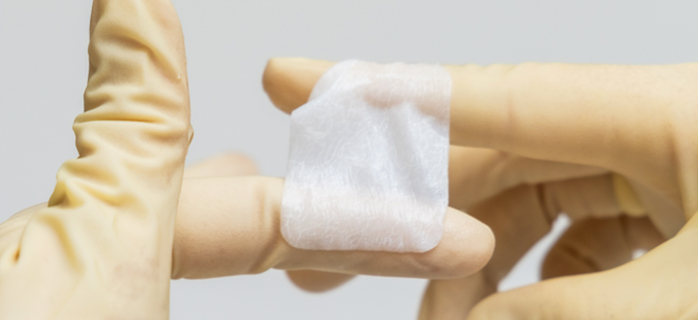
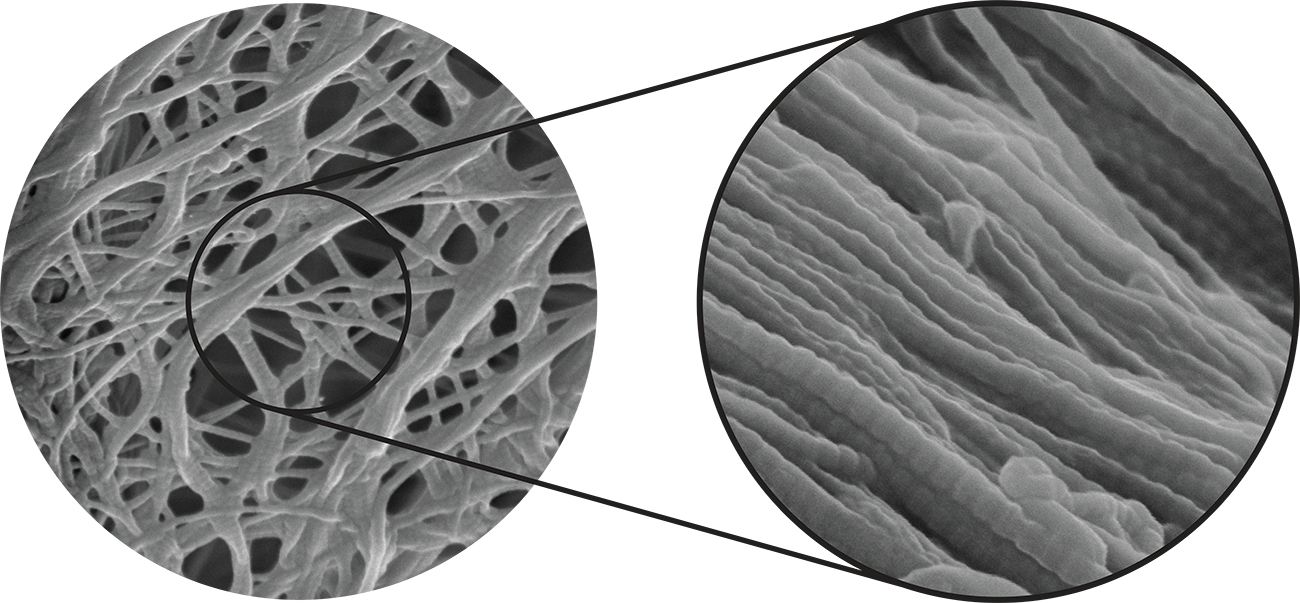
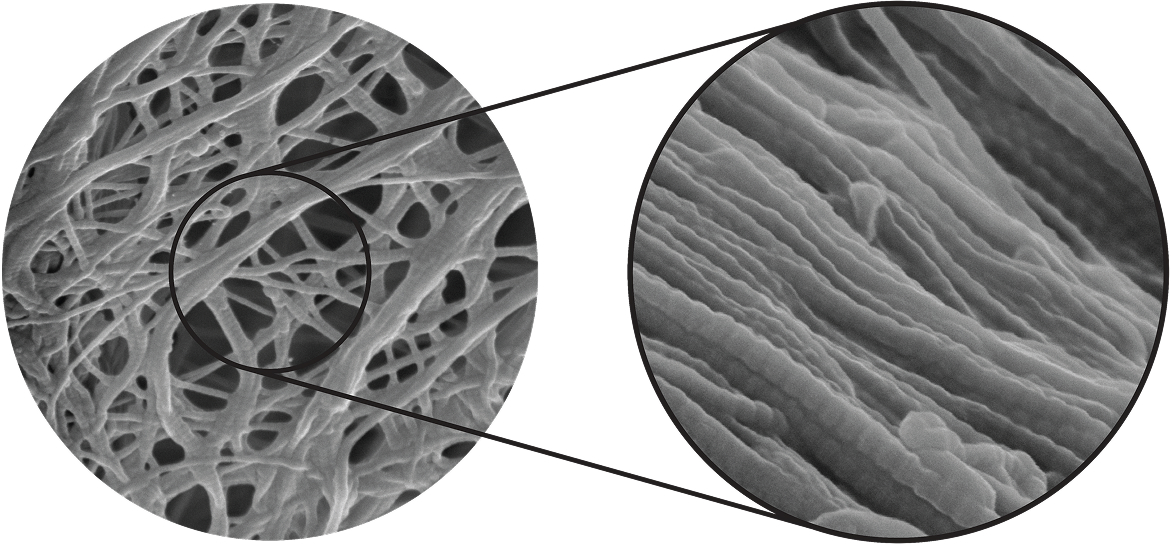
By preserving the natural collagen structure, Remplir retains the inherent strength, flexibility, and biocompatibility of type I collagen.
Designed to mimic epineurium, it easily conforms to nerve tissue, accommodates size mismatches between nerve ends, and is easy to suture.
Native collagen architecture
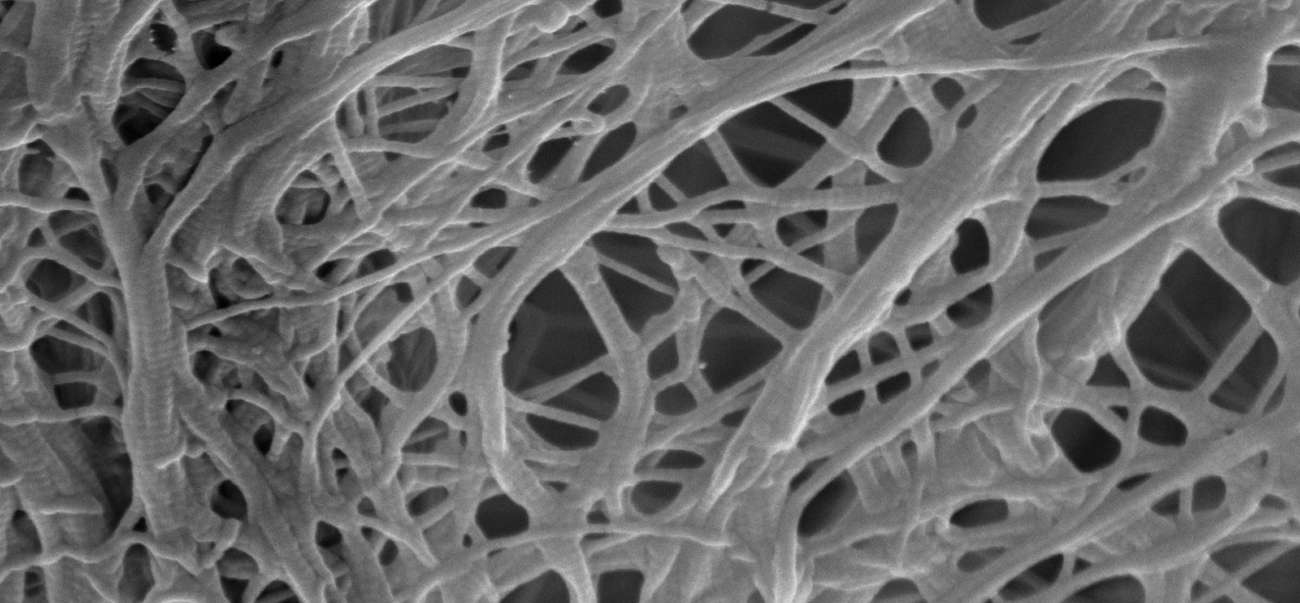
Manufactured from the highest quality porcine peritoneum and processed using the SMRT manufacturing method, the native collagen architecture is preserved without compromising strength or flexibility.
The resulting collagen structure closely resembles human collagen, making Remplir an ideal biomaterial for supporting the regeneration of healthy nerve tissue.
Biocompatible and non-immunogenic
Consists of purified type I collagen which is very similar between species, resulting in low immunogenicity and excellent biocompatibility.
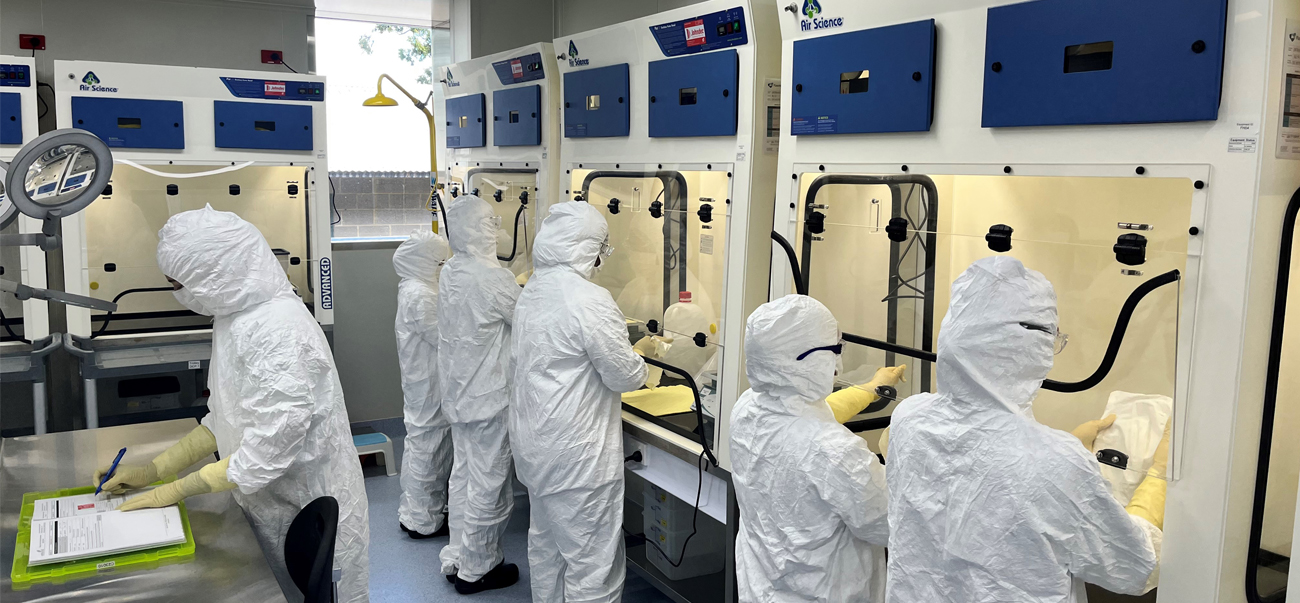
SMRT™ manufacturing process thoroughly removes cellular impurities resulting in a pure collagen device without alpha-gal, DNA, and other non-collagenous materials that increase the risk of foreign body reaction after implantation.1
During the healing process, Remplir is completely resorbed and integrated into nerve tissue, with no evidence of foreign body reaction.
Healing microenvironment
The porous natural collagen structure of Remplir allows nutrient flow from surrounding blood vessels.
The smooth outer surface is cell-occlusive, promoting nerve gliding through surrounding soft tissues and minimizing the risk of adhesions while the looser collagen arrangement on the inner surface facilitates cellular attachment and proliferation
Remplir™ Nerve Wrap
Applications
Orthocell develops, manufactures and exports novel regenerative medicine products around the world. Its biological medical devices and cellular therapies are used by leading surgeons to treat musculoskeletal injuries of nerve, tendon and cartilage, and dental bone defects. The clinical results, compelling.
A versatile single solution device
Remplir is a highly versatile product that delivers a single solution for surgical repair of peripheral nerve injuries. Remplir provides compression-free protection to the nerve, generating an ideal microenvironment to aid nerve healing.
- Use straight out of the box – no need to soak or rinse.
- One product covers all surgical requirements – no need to accurately measure nerve diameter before selecting product.
Protect every repair with Remplir™
Remplir is a highly versatile product that delivers a single solution for surgical repair of peripheral nerve injuries. Remplir provides compression-free protection to the nerve, generating an ideal microenvironment to aid nerve healing.
- Use straight out of the box – no need to soak or rinse.
- One product covers all surgical requirements – no need to accurately measure nerve diameter before selecting product.
Indications for Use
Remplir is indicated for the management of peripheral nerve injuries in which there has been no substantial loss of nerve tissue.
Contraindications
The use of Remplir in patients with known sensitivity to porcine-derived materials or collagen is contraindicated.
Protect every repair with Remplir™
Remplir is a highly versatile product that delivers a single solution for surgical repair of peripheral nerve injuries.

Straight out of the box – no need to soak or rinse before use
Curated product range covers all nerve sizes and surgical requirements
No need to accurately measure nerve diameter before selecting product
Easy to trim and shape
A complete range of nerve wraps
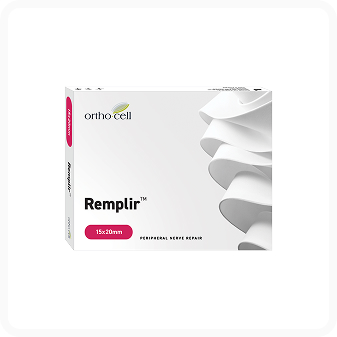

15x20mm
Nerve diameter: Up to 3mm
Order code: OCG-152
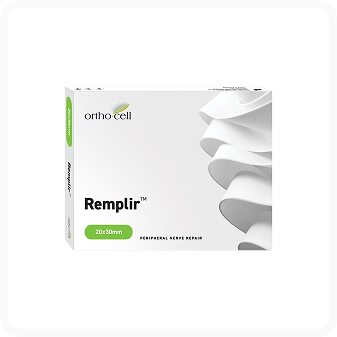

20x30mm
Nerve diameter: Up to 5mm
Order code: OCG-203
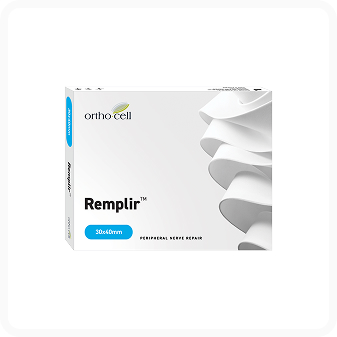

30x40mm
Nerve diameter: Up to 10mm
Order code: OCG-304
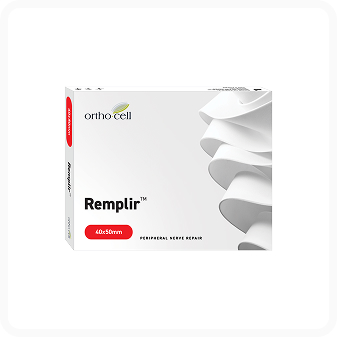

40x50mm
Used for longitudinal wrapping
Order code: OCG-405
For information on how to order Remplir™, please contact Orthocell or your local Device Technologies representative
Clinical Evidence
References. 1. Data on file. 2. O’Beirne, A., J. Cullen, E. Landao-Bassonga, M. Zheng, C. Lee, P. Kaluskar, A. Tai and M. Zheng (2024). “Reconstruction of Upper Extremity Peripheral Nerve Injuries Using an Epineurial-Like Collagen Device—A Prospective Clinical Study.” Journal of Reconstructive Microsurgery Open 09(01): e78-e88. 3. Siemionow, M. and G. Brzezicki (2009). “Chapter 8: Current techniques and concepts in peripheral nerve repair.” Int Rev Neurobiol 87: 141-172. 4. Ruijs, A.C., J.B. Jaquet, S. Kalmijn, H. Giele, S.E. Hovius (2005). “Median and ulnar nerve injuries: a meta-analysis of predictors of motor and sensory recovery after modern microsurgical nerve repair.” Plast Reconstr Surg 116(2):484- 94 5. Braga Silva, J., G. M. Marchese, C. G. Cauduro and M. Debiasi (2017). “Nerve conduits for treating peripheral nerve injuries: A systematic literature review.” Hand Surg Rehabil 36(2): 71-85. 6. Aman M, Preisner F, Mayrhofer-Schmid M, et al. Inferior Long-Term Results of a Randomized Controlled Trial Initially Demonstrating Enhanced Sensory Nerve Recovery Using a Chitosan Nerve Tube. Plast Reconstr Surg. 2025;155(2):364- 373. Doi:10.1097/PRS.0000000000011526 7. Zeng W, Osterman M, Stern PJ. Inflammatory Reactions to Xenogenic Nerve Wraps: A Report of Three Cases. JBJS Case Connect. 2019;9(3):e0302. Doi:10.2106/JBJS.CC.18.00302 8. Data on file, 4 weeks post-transection.